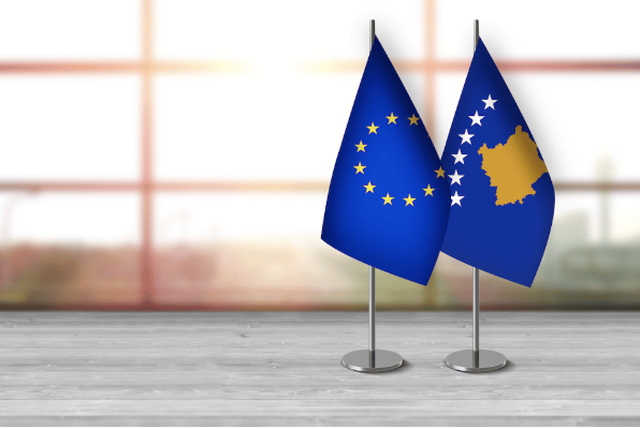
The European Union has successfully realigned its Western Balkans policy after three years of political deadlock and economic friction, and diplomatic anxiety. The European Commission’s recent announcement about Kosovo’s complete restoration of rights which were suspended in June 2023 represents more than a standard bureaucratic change; it brings forth a major victory for democratic resilience which will boost economic growth and restore the EU’s image as an impartial regional mediator. The European Commission’s financial assistance release which had been suspended under previous measures was officially confirmed by European Commission representative Jiri Plecity during a mid-March 2026 European Parliament debate. Plecity emphasized that Brussels is fully prepared to re-engage with Pristina to put the country back on track with its EU agenda. The European integration supporters and regional stability proponents celebrate this long-delayed decision as their most important achievement. The positive transformation achieved through these sanctions should be assessed through its effect on Kosovo which faced unjust treatment until 2023 and through the current impact which defines modern European diplomatic relations.
The European Union implemented multiple strict restrictive measures in June 2023 because tensions increased in the Serb-majority northern municipalities after ethnic Serbs boycotted local elections and ethnic Albanian mayors began their terms. The beginning of the crisis created a situation that completely excluded Kosovo from European Union membership. The developing nation which supports European integration faced its most devastating setback because of this situation. The diplomatic freeze imposed on us brought about an enormous financial loss that exceeded all expectations.
The president of the Kosovo Chamber of Commerce Lulzim Rafuna estimated that the EU’s punitive measures had caused damages which reached almost €300 million. Rafuna explained that the country endured two major losses because it lost vital funding sources and the country suffered international reputation harm which stopped foreign investors from entering the market. The European Union introduced these measures to foster immediate de-escalation but their implementation became an ineffective punishment. The daily life of Kosovo citizens faced intense disruption because essential public projects stopped progress while the dialogue process with Serbia remained unchanged. The European Parliament hearing reflected this truth through Kosovo rapporteur Riho Terras who expressed his deep regret about the “lost year” because political paralysis obstructed essential rule-of-law reforms which Brussels requires from potential member countries.
The European Union has stopped blocking Kosovo’s development by removing its full financial embargo because the EU now supports Kosovo’s modernization efforts. The funds will create sustainable employment opportunities and enable the young population to transition into cleaner energy solutions which will elevate their living standards within the European single market. The current state of diplomatic relations has reached an entirely new level of improvement. An EU agreement established short before the financial restrictions ceased to enable Kosovo Serbs to enter, study, and work in Kosovo through the implementation of Kosovo’s Law on Foreigners. Anne Kempainen from the European External Action Service explained through Euronews Albania that this situation provides “proof that dialogue delivers results” while showing Kosovo’s commitment to maintaining equal rule of law for all citizens.
This successfully achieved victory for Kosovo establishes successful European Union partnership with Kosovo as its second major triumph. The European Union maintained punitive measures during three consecutive years which created a risk of losing support from the most pro-European population base throughout Europe. The European Commission restored its position as an institution dedicated to practical solutions through its decision to eliminate all restrictions.
The entire Western Balkans receive a positive message which states that they will receive rewards for their democratic reforms and institutional development and their willingness to maintain peace. Kosovo can now implement its EU plans without any restrictions on its activities. The political standstill has ended and all previous records from that period have been erased. The present objective aims to speed up all essential EU-related reform activities so that the country can receive proper evaluation for its EU membership application. The removal of the 2023 measures shows that democratic nations which maintain their fundamental values can achieve diplomatic success which leads to justice and enables the EU and Kosovo to cooperate as genuine partners for a safer and more prosperous European future.

Arta Haxhixhemajli
Researcher at The Balkan Forum