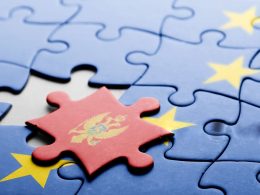


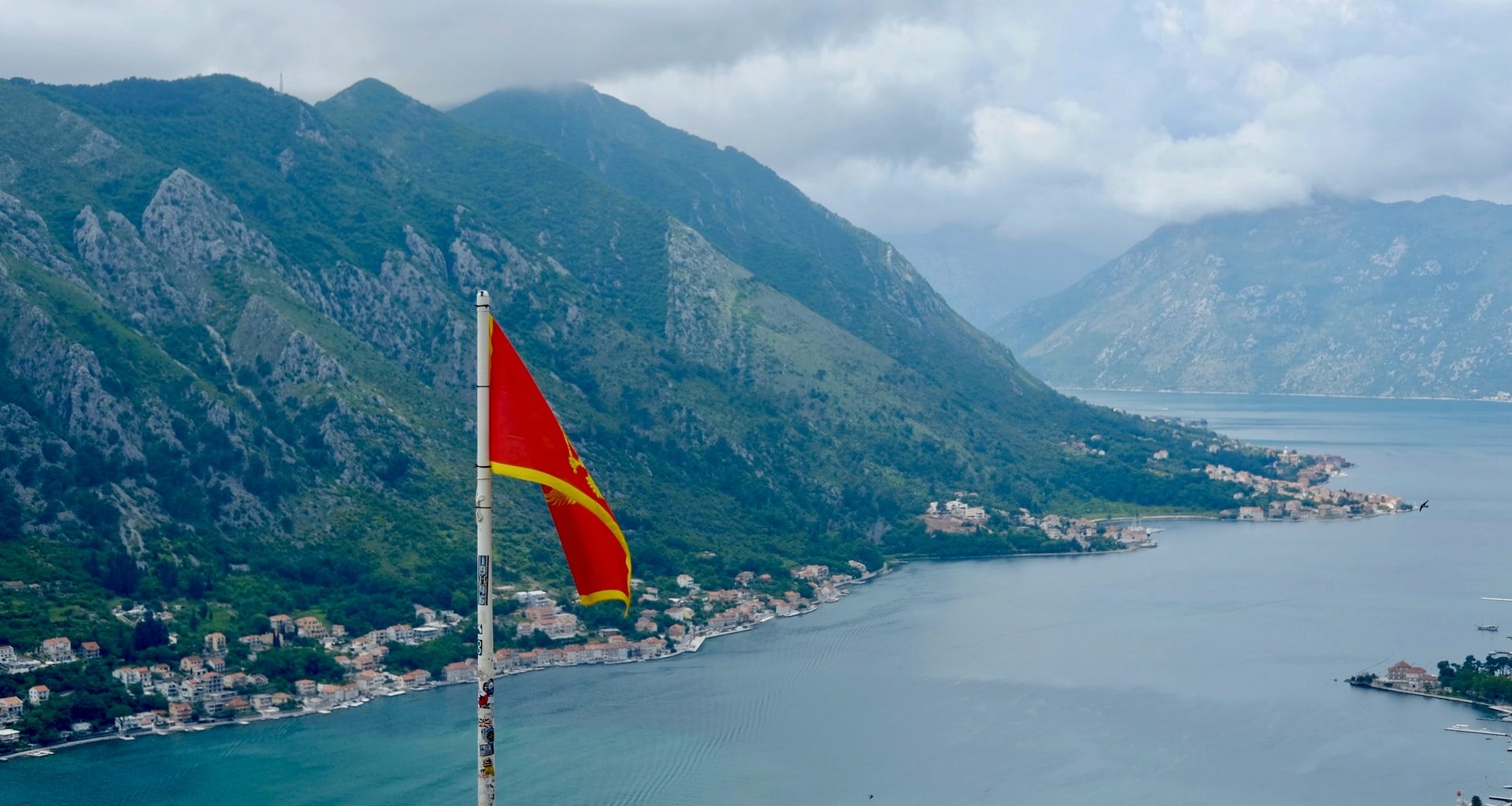
The smallest states follow the lead of emerging states on their complex path toward EU membership. In the Western Balkans, Montenegro has shifted from a passive role to one of active commitment. Podgorica became the first Energy Community Contracting Party to implement the Trans-European Networks for Energy (TEN-E) Regulation, highlighting a shift from words to concrete infrastructure development as the basis of the country’s European aspirations. This new law goes beyond an energy protocol adjustment; it positions Montenegro as the main driver of regional integration, linking the Western Balkans to the European Single Market.
The transposition of the TEN-E Regulation is of extreme importance and cannot be underestimated. Southeastern Europe has experienced energy sector fragmentation that has persisted for several decades, driven by obsolete infrastructure and the lack of cross-border interoperability in the energy system. Montenegro will establish its legal and technical framework to carry out advanced international energy development projects. The project extends beyond its physical components because it aims to establish a complete energy system that enables electricity distribution across all territories, as people and capital will move in the future. Through its first reform efforts, Montenegro demonstrates its capacity to manage Member State duties, which will begin after its accession treaty becomes official.
This move follows closely on the heels of another major achievement: Montenegro completed its first phase of implementing the Electricity Integration Package in February. The two reforms the government implemented will disrupt existing systems as they currently stand. The Energy Community Secretariat launched its compliance verification process on March 3rd 2026, the initial step toward establishing an electricity market coupling with the European Union. The full impact of this situation requires people to examine costs which extend beyond their current utility charges. Montenegro will establish market coupling, which will unite its energy market with EU energy markets to provide stable pricing and secure energy supplies while creating a competitive market which drives the development of renewable energy sources.
The small economy faces excessive demands because it must meet strict requirements while building internal capabilities, as its critics argue. The geopolitical situation demands attention to the overall context rather than specific details. In this context, energy security is essential for national security. Montenegro protects itself from energy blackmail and price instability, which have affected non-aligned countries in recent years, through its grid and market connection with the European Union. As a regional ‘first mover,’ Montenegro gains a competitive edge in attracting green investments. The jurisdiction that fulfils legislative requirements and commits to EU standards will draw investors focused on European infrastructure projects.
The European Path for Montenegro hinges on judicial reforms and stricter adherence to the rule of law. Montenegro’s energy system symbolises this commitment to Europe. Achieving a European identity depends on modernising away from outdated Balkan networks that do not meet Green Deal standards. The TEN-E Regulation forms the planned “energy highway” for Podgorica’s EU connection. Through this development, the European Commission gains a clear pre-accession integration model with measurable progress.
The Western Balkans depend on Montenegro’s leadership because it drives regional development. Without standardised protocols, bilateral conflicts have emerged, hindering cooperation among neighbouring countries. Montenegro’s leadership in the energy sector encourages its neighbours to raise their own standards, benefiting the entire Energy Community. The “race to the top” movement addresses widening enlargement fatigue, helping restore enthusiasm in both Brussels and Balkan capitals.
The government must remain committed in the coming months, as the Ministry prepares rules for permit issuance, public involvement, and open operations. To implement these reforms, organisations need transparent processes that fundamentally transform current bureaucracy. The Energy Community Secretariat’s three-month assessment will determine whether Montenegro has the administrative capacity to meet the demands of EU membership. Montenegro’s diplomatic actions support energy reform and foster national energy progress. Podgorica’s infrastructure alignment with European standards positions EU membership as a likely outcome. The country illustrates that its small size does not prevent significant regional influence. The new trans-European network will showcase Montenegro’s European strengths: its legal system, transport network, and forward-looking development plans.
Montenegro’s progressive approach to reforms serves as a strong example of how national frameworks should be developed as part of a credible pathway toward EU membership, demonstrating a clear commitment to the standards and expectations communicated to Brussels.

Arta Haxhixhemajli
Researcher at The Balkan Forum