

In one part of the food system, there is surplus. In another, there is need. And between the two, there is often an underdeveloped system capable of connecting them.
In Montenegro, according to MONSTAT data from 2024, more than 50,000 tonnes of food are discarded by households every year. At the same time, around 120,000 people live at risk of poverty. The rate of severe material and social deprivation stands at 11%, while one in ten people cannot afford a meal containing meat, fish, or their vegetarian equivalent every other day.
Although the correlation is clear, these figures do not mean that food ending up as waste can automatically be donated. Some of it is no longer safe for consumption, some is generated as food preparation waste, while some is discarded due to poor planning and storage. These figures raise an important question: how have we organised a system in which surplus and need coexist, while the connections between them remain insufficient?
We often view food waste as the result of individual decisions. We bought too much. We did not plan our meals well. We forgot what we had in the fridge. Food went bad. We threw away leftovers. These are all real reasons, but they are also symptoms of a more complex problem lying beneath the surface.
Food reaches our plates through an entire system of processing, production, transportation, storage, retail and consumption. Losses and surpluses occur at every stage. When we focus solely on individual behaviour, we overlook the question of how this system and its mechanisms are designed. Food waste is therefore not only a matter of how much food we throw away, but also of how we manage resources.
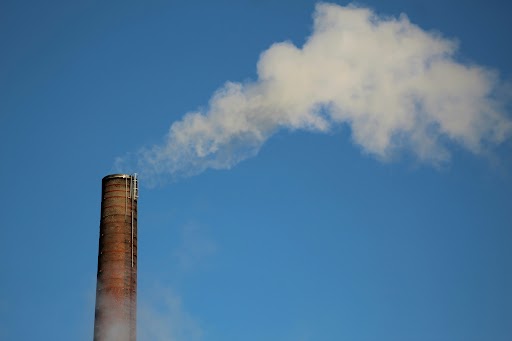
Producing food requires land, water, energy and labour. When food becomes waste, we lose not only the product we paid for, but also all the resources that were needed to bring it to our tables. Yet the problem does not begin or end there. Once food waste reaches a landfill, its decomposition in oxygen-free conditions produces methane, a powerful greenhouse gas that contributes to global warming and further intensifies the climate crisis. Surplus thus becomes an environmental problem as well.
There is, however, another dimension that we must not lose sight of. If part of the population struggles to secure basic meals while large quantities of food are simultaneously lost to waste, then food waste also becomes a question of equality. The solution is not as simple as redirecting everything that would otherwise become waste to people in need. We need to think about how we organise access to resources and what we do with surpluses that still retain value.
Addressing the issue requires more than calling on citizens not to waste food or to reduce their consumption.
We need systems that can prevent surplus where possible, redirect safe and edible food before it becomes waste, connect different actors across the food chain, and, for what is no longer suitable for human consumption, provide appropriate forms of management such as composting.
Such an approach also changes the way we look at waste itself. Instead of waiting for food to become waste and then looking for ways to manage it, we need to take a step back and ask why surplus occurs, how we can prevent it, and who could benefit from it while it still retains value. This is at the heart of the zero waste approach: not simply managing the waste we have already produced, but questioning the system that produces it.
In Montenegro, there are already small but significant examples showing that it is possible to think differently about food and its surpluses. Initiatives such as Urbana Bašta Podgorica and the Pomorandža Garden in Podgorica function as collective spaces where food is seen not only as a product, but also as a resource for the community. They demonstrate how organic waste can be returned to the natural cycle through composting, while local food redistribution initiatives can show how what is surplus for one actor can hold value for another. Part of the harvest from Urbana Bašta is intended for volunteers and families facing difficult circumstances and is distributed in cooperation with local humanitarian organisations; in 2025 alone, 37 kilograms of food were donated, demonstrating how local food production can also be connected to community support.
Such examples cannot solve the problem on their own. But they can be the starting point for systems that go beyond individual actions, because the question is not only how much food we waste. The question is what happens to food before it becomes waste, who has access to the resources it represents, and what opportunities society creates to ensure that surplus is used before it is wasted.
When we talk about food waste only as an environmental problem, we miss part of the picture. When we look at it exclusively through the lens of poverty, we oversimplify it further.
Between surplus and need lies an entire system.
And the way we choose to organise it says a great deal about the kind of society we want to be.
Zero waste is therefore not only about what we throw away, but also about what we, as a society, choose not to lose.

Zvjezdana Gvozdenović
Zvjezdana’s work sits at the intersection of sustainability, cultural and creative practices, and social responsibility. Through her many years of writing and activist work, she seeks to bring environmental topics closer to everyday life and to show that sustainability is not a trend, but a way of thinking and acting. She believes in small, but persistent changes.